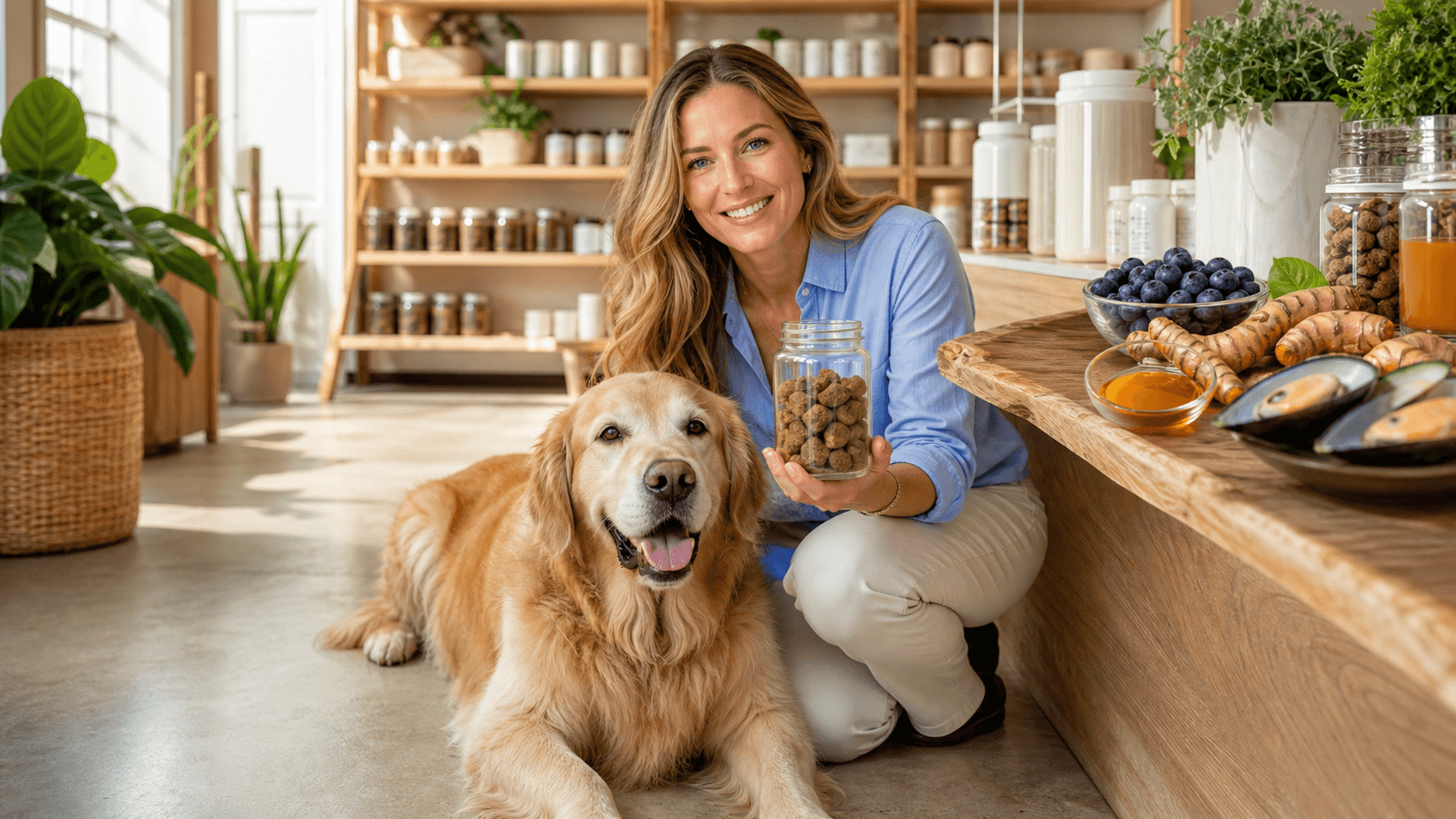
Why Holistic Dog Food Can Transform Your Pet’s Health
Holistic dog food focuses on feeding the whole dog, not just filling the bowl. Instead of relying on low-cost fillers and artificial additives, holistic recipes start with real, recognizable ingredients that support better digestion, skin, coat, and long-term wellness. For many pet parents, switching from conventional kibble to holistic dog food is the first time they truly see how much nutrition can change their dog’s health and behavior.
Compared to the regular kibble most of us grew up buying, holistic options tend to have higher quality protein, healthier fats, and far fewer mystery ingredients. That often shows up as less itching, smaller and firmer stools, steadier energy, and a shinier, softer coat. At Nauti Dog Barkery in Dallas, we focus on this holistic approach every day, carefully selecting foods and baking fresh treats on-site that support overall wellness. In this article, we will walk through what holistic dog food really means, how to read labels, which ingredients help your dog thrive, and how to switch safely.
What Makes Dog Food Truly Holistic
Holistic nutrition is about caring for the whole dog: body, mind, and behavior. Instead of simply meeting minimum nutrient standards, holistic dog food aims to support digestion, immune health, skin, coat, joints, and even mood. The idea is that when the body has what it needs, everything from energy levels to behavior can improve.
A truly holistic food focuses on quality ingredients, not just nutrient numbers on a chart. You should see clear, specific components on the label, not vague by-products and artificial additives. Holistic formulas are built around a few key building blocks that work together:
- High-quality animal protein as the first ingredient.
- Healthy fats that support skin, coat, and brain health.
- Complex carbohydrates that provide steady energy.
- Essential vitamins and minerals from whole-food sources.
It is also important to separate holistic from marketing buzzwords. Terms like “natural” or “gourmet” can sound impressive, but they are not guarantees of ingredient quality or balance. A holistic food is defined by what is inside the bag and how those ingredients support your dog’s whole health, not by trendy words on the front of the package.
Ingredients That Support Whole-Body Wellness
Protein is the foundation of any good dog food, and holistic diets put extra emphasis on where that protein comes from. We look for clearly named meats, such as chicken, turkey, salmon, lamb, or beef, often in fresh or dehydrated forms. When you see vague terms instead of a named meat, it is harder to know what your dog is actually eating.
Healthy fats are another pillar of holistic dog food. Ingredients like salmon oil and flaxseed provide omega fatty acids that support skin, coat, brain, and joint health. Many pet parents notice that once their dog is eating enough quality fats, dull, flaky coats often improve and shedding can become more manageable.
Whole-food carbohydrates also play an important role. Rather than relying on cheap starches, holistic recipes often feature options like sweet potatoes, oats, barley, or brown rice. These ingredients tend to provide more fiber and nutrients while supporting steadier energy and healthier digestion.
Supporting extras often round out a holistic formula. You might see:
- Probiotics and prebiotics for a balanced gut.
- Glucosamine, chondroitin, or green-lipped mussel for joint support.
- Blueberries, spinach, carrots, and other colorful fruits and vegetables for antioxidants.
When all of these pieces come together, many dogs experience less itching, fewer tummy upsets, reduced shedding, and more consistent stools. We see these kinds of changes often when dogs transition to a well-chosen holistic diet.
Red Flags to Avoid in Your Dog’s Food Bowl
Just as important as what you feed is what you avoid. Many conventional kibbles are built around low-cost fillers like corn, wheat, and soy. While some dogs handle these ingredients, others struggle with gas, loose stools, or itchy skin when their diets rely heavily on them.
Protein quality is another big red flag area. Labels that use vague terms like “meat by-products” or “animal digest” do not give you a clear picture of what is in the bag. With holistic dog food, we prefer straightforward, named ingredients that offer better transparency and consistency.
Artificial preservatives, colors, and flavors are also common in lower quality foods. These additives often serve the manufacturer more than the dog, helping with shelf life or appearance rather than health. Sensitive or allergy-prone dogs can be especially reactive to these ingredients.
To get more confident at the pet food aisle, focus on a few label reading habits:
- Check that a named animal protein is the first ingredient.
- Scan for long lists of artificial colors and flavors and set those bags back.
- Be cautious of vague terms like “by-products” and “animal fat” without a clear source.
- Notice how high corn, wheat, or soy appear in the list relative to meat.
At Nauti Dog Barkery, we screen the brands we offer with these same concerns in mind, so our shelves reflect the standards we talk about here.
Choosing the Right Holistic Food for Your Dog
There is no single best holistic diet for every dog. The right choice depends on age, size, activity level, and individual health. A tiny senior lapdog and a young, active large-breed dog will not do best on the same formula.
Helpful questions to consider include:
- Is your dog a puppy, adult, or senior?
- Does your dog need to gain, lose, or maintain weight?
- Are there known allergies or food sensitivities?
- Does your dog have frequent tummy upsets or itchy skin?
You will also find holistic foods in different formats. Dry kibble can be convenient and economical. Wet food usually offers higher moisture and can be great for picky eaters. Gently cooked, freeze-dried, and raw-inspired options provide minimally processed nutrition and maximum nutrient availability that many dogs love, though they can be richer and may require a slower introduction.
Our team at Nauti Dog Barkery spends time helping pet parents compare these options and understand ingredient panels so they can make choices that fit their dogs and their routines. We also extend this holistic focus to cats, with healthy food options for multi-pet households.
How to Safely Transition to Holistic Dog Food
When you are moving from a lower-quality kibble to a nutrient-dense holistic dog food, taking it slow is better for your dog’s digestion. A gradual switch gives the gut time to adjust to richer protein, new fiber sources, and added extras like probiotics.
A simple transition plan might look like this over 7 to 10 days:
- Days 1 to 2: 25 percent new food, 75 percent old food.
- Days 3 to 4: 50 percent new food, 50 percent old food.
- Days 5 to 6: 75 percent new food, 25 percent old food.
- Day 7 and after: 100 percent new food.
If you know your dog has a sensitive stomach, add 1-2 days to each progression to further ease the dog into the new food.During this time, watch your dog’s stools, appetite, and energy. Signs that the transition is going well include normal, formed stools, steady interest in meals, and typical activity levels with minimal gas. If you see vomiting, persistent diarrhea, or a refusal to eat, slow the transition or pause and talk with your veterinarian.
Once your dog is fully on the new holistic diet, keep an eye on changes over the next few weeks. Coat softness, shedding, skin condition, energy, and even stool quality can all shift as the body adjusts. Many pet parents are surprised by how much a carefully chosen holistic dog food can change the way their dog looks and feels.
Support Your Dog’s Health With Every Bite
Give your dog the nutrition they deserve with our thoughtfully crafted holistic dog food options. At Nauti Dog Barkery, we focus on real ingredients that support digestion, energy, and overall well-being. Explore our selections today to find recipes that match your dog’s unique needs and taste preferences. When you choose our food, you are choosing a healthier, happier life for your four-legged family member.