Choose Dog Treats in Dallas That Fit Your Dog
Treat texture affects more than taste. The right soft or crunchy reward can support training, enrichment, comfort, and those everyday "good dog" moments that build a stronger bond between you and your pup.
Dallas dogs have all kinds of routines, from neighborhood walks and patio outings to active weekends outdoors. A treat that works well during recall practice may not be the best choice for a quiet evening snack. When we help you consider dog treats in Dallas, we look at the whole dog, including activity level, health needs, chewing style, and personal preference. Neither soft nor crunchy treats are automatically better. Ingredients, treat size, calorie content, and your dog's ability to chew all matter.
When Soft Treats Support Training and Comfort
Soft treats are often easy to tear into tiny pieces, which makes them especially handy for training. You can reward a puppy quickly without stopping the lesson, or keep small pieces ready for leash manners, recall work, and good behavior during an outing.
For many dogs, a little reward goes a long way. Smaller pieces can help you keep the focus on praise and practice rather than handing over a large snack every time your dog gets something right.
Soft treats may also feel more comfortable for some older dogs and dogs with missing teeth or dental sensitivity. If your dog suddenly avoids treats, drops food, chews on one side, or seems less interested in eating, we recommend speaking with your veterinarian. Changes in appetite or chewing can be worth a closer look.
Keep an eye on portions during busy training days. Soft treats can add up quickly when you are practicing several skills in a row. A simple approach is to:
- Break treats into pea-sized rewards when possible
- Use one treat at a time for short training sessions
- Set aside the day's treats before you begin
- Adjust regular meal portions when treats become a bigger part of the day
A soft texture can be a smart fit, but the ingredient list still matters. We encourage you to choose treats that suit your dog's dietary needs and that you feel good about offering often.
Why Crunchy Treats Add Satisfying Variety
Crunchy treats bring a different kind of fun to snack time. Some dogs love the crisp bite and satisfying sound of a biscuit or crunchy snack. These treats can work nicely as an occasional reward after a walk, a simple enrichment moment, or a change from softer training pieces.
Texture variety can help keep treat time interesting, especially for healthy adult dogs who enjoy different types of snacks. Still, crunchy does not always mean right for every dog. A treat that is too hard, too large, or too difficult to chew can be frustrating and may not be safe for a dog with a smaller mouth or sensitive teeth.
It is also important to keep dental expectations realistic. Crunchy treats are not a replacement for brushing, professional dental care, or guidance from your veterinarian. Even a dog who happily crunches a biscuit still needs regular attention to oral health.
Before offering a crunchy treat or larger chew, think about:
- Your dog's age and mouth size
- How eagerly your dog chews and swallows
- The treat's hardness and shape
- Whether you can supervise the snack time
- Any history of tooth sensitivity or chewing trouble
We recommend staying nearby when your dog has a chew or larger treat. Supervision helps you notice if the treat is being enjoyed safely or if it needs to be taken away.
Match Texture to Age, Health, and Activity
A good treat routine does not need to be complicated. Puppies often do best with small, soft rewards that are easy to eat quickly during training. Healthy adult dogs may enjoy a rotation of soft treats, crunchy snacks, and appropriately sized chews, depending on their habits.
Senior dogs may prefer gentler textures, particularly if chewing has become less comfortable. Dogs managing weight may benefit from smaller, lower-calorie rewards and fewer extras throughout the day. Every dog is different, so we suggest using your veterinarian's recommendations when your pet has a health concern, food sensitivity, or a special diet.
Reading labels carefully can help you make a more confident choice. Consider the protein source, ingredients, treat size, and calories per serving. If your dog does not tolerate certain ingredients well, skip treats that include them, even if the texture seems like a perfect fit.
Activity also plays a part. A dog who spends the day resting indoors may need fewer rewards than a dog working through a training session or joining you for a longer outing. Treats should fit into the full day of food, not become an unplanned second dinner.
Plan Fall Treat Moments Without Overfeeding
Cooler late-October days in Dallas can bring longer walks, outdoor gatherings, and more chances to include your dog in the fun. Those extra moments are great for practicing manners and sharing time together, but more activity does not always mean unlimited treats.
Halloween is also a good time to make a plan for pet-safe snacks. Keep chocolate, candy, raisins, and products containing xylitol away from dogs. Instead, offer dog-appropriate treats when your household is enjoying seasonal celebrations. A familiar soft reward can keep a dog busy during guests and doorbell activity, while a crunchy snack may be a nice special moment after a walk.
Intentional treats help prevent accidental overfeeding. Break soft treats into smaller pieces for training, save crunchy snacks for selected moments, and include every treat in your dog's daily food plan. That way, fall fun stays enjoyable without throwing off the routine.
Find Dog Treats in Dallas That Make Tails Wag
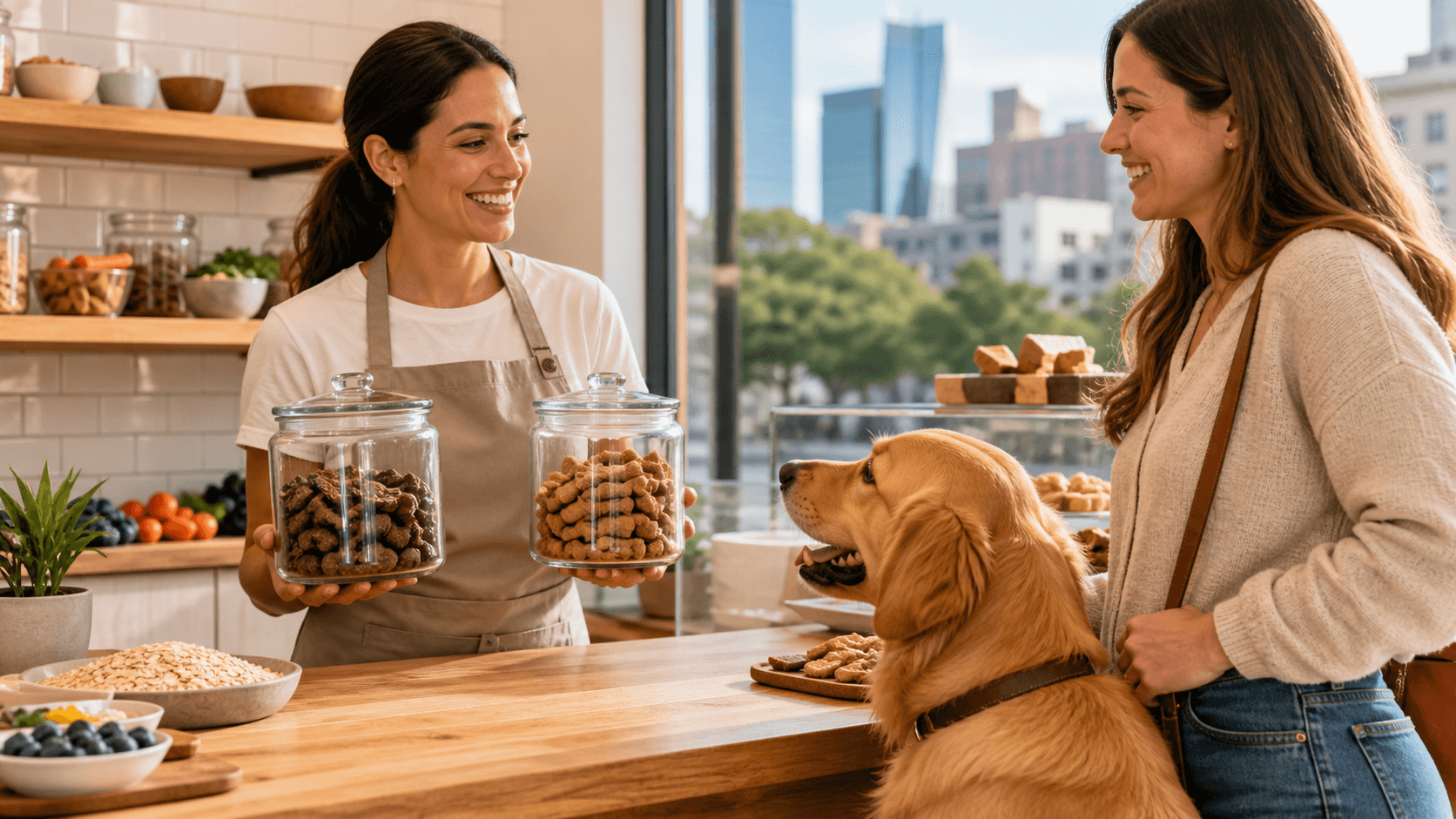
The best treat texture depends on your dog's age, chewing style, health needs, and favorite flavors. A thoughtful mix of soft and crunchy choices can keep rewards interesting while helping you stay mindful of portions. At Nauti Dog Barkery, we hand-select premium pet foods, treats, chews, supplements, toys, and fresh-baked dog pastries, so you can compare options with your dog's routine in mind.
Bring your questions about preferences, dietary needs, and treat habits when you shop for dog treats in Dallas. Start with a treat your dog can chew comfortably, offer it in a sensible portion, and watch how they respond. Their enthusiasm, comfort, and daily routine will help guide the next choice.
Find Treats That Fit Your Dog
At Nauti Dog Barkery, we hand-select options for different chewing styles, tastes, and dietary considerations. Browse our dog treats in Dallas to find a rewarding choice for your dog's next snack. Our team is here to help you compare selections and feel confident about what goes in your pup's treat jar.