Happier Tummies for Dallas Dogs This Summer
Choosing the right grain-free kibble can make a big difference for a dog with a touchy tummy, especially in a hot place like Dallas. When stomachs are unsettled, we often see loose stool, low energy, and a pup that just does not seem like itself. The good news is that food is one area we can control every single day.
Summer can be extra hard on sensitive stomachs. There are more park days, patio hangs, and cookouts. Dogs move more, snack more, and sometimes sneak food they should not have. A gentle, grain-free kibble can give you a steady base diet that keeps things consistent even when life gets busy. We will walk through how to tell if your dog has a sensitive stomach, what grain-free kibble really means, and how to pick a formula that fits your dog and your Dallas lifestyle.
How to Tell If Your Dog Has a Sensitive Stomach
Some dogs seem to have iron stomachs. Others feel off after even a small change. If your dog often has tummy trouble, you might notice things like:
- Soft stool or diarrhea
- Constipation or straining to go
- Extra gas or very smelly gas
- Eating grass often
- Occasional vomiting or licking lips a lot
- Walking away from food or acting picky
One or two upset days can happen to any dog, especially if they sneak greasy cookout food, drink from a puddle, or play hard in the heat. That does not always mean a true food sensitivity. A sensitive stomach is more about patterns you see over time.
Try to pay attention to:
- What protein your dog is eating when issues show up
- Which treats they had that day
- How much activity or heat exposure they had
- Any sudden switches in food or snacks
If you spot a pattern, like loose stool whenever chicken hits the bowl, that is worth noting. If your dog has blood in stool, refuses to eat, loses weight, or vomits often, that is the point to loop in your veterinarian. Food can help support the gut, but medical problems need professional care first.
Grain-Free Kibble Basics for Digestive Health
Grain-free kibble is dry dog food made without common grains like corn, wheat, or soy. Instead, it usually uses other carbs such as peas, lentils, chickpeas, potatoes, or sweet potatoes. It still needs to be balanced with protein, fat, fiber, vitamins, and minerals to meet AAFCO standards for complete and balanced nutrition.
Some sensitive dogs feel better on grain-free kibble because:
- It often skips certain grain-based fillers that can be hard on some stomachs
- Many formulas focus more on animal protein than on carbs
- Some recipes are simpler, with fewer total ingredients
- It can be easier to avoid specific triggers, like wheat or corn gluten
There has been a lot of talk about grain-free diets and heart issues in dogs. The FDA has looked into reports about certain diets and a type of heart disease. There are still many questions, and it is not as simple as saying grain-free is bad or good for all dogs. What matters most is that the food is:
- Complete and balanced to meet AAFCO standards
- Made by a brand that does solid nutrition research and testing
- A good match for your dog's age, size, and health needs
If you are worried about heart health or specific ingredients, a conversation with your vet can help you decide which formulas are a good fit.
Choosing the Right Grain-Free Kibble for Dallas Dogs
Standing in front of a wall of bags can feel overwhelming. Learning to read labels makes it easier to pick a grain-free kibble that loves your dog's stomach as much as you do.
On the ingredient list, look for:
- Named animal proteins as the first ingredients, like chicken, turkey, salmon, or lamb
- Clear carb sources, not vague terms like "plant protein"
- Recognizable fats, such as chicken fat or fish oil
- Limited artificial colors, flavors, or preservatives
For dogs in Dallas heat, stomach-friendly choices often include:
- Easily digestible proteins like turkey, white fish, or chicken for many dogs
- Moderate fat levels if your dog tends to get loose stool with very rich food
- Added prebiotics and probiotics to support healthy gut bacteria
- Gentle carb sources that do not cause big swings in energy
You also want to match the kibble to your dog's life stage and lifestyle. Think about:
- Age: puppy, adult, or senior formulas
- Size: small-breed or large-breed needs can differ
- Activity level: couch napper, weekend hiker, or daily running buddy
- Known allergies or past reactions
- Any conditions your vet has mentioned, like pancreatitis or joint concerns
The right grain-free kibble should keep your dog's stool formed, their energy steady, and their coat looking healthy.
Smart Transition Tips and Summer Feeding Strategies
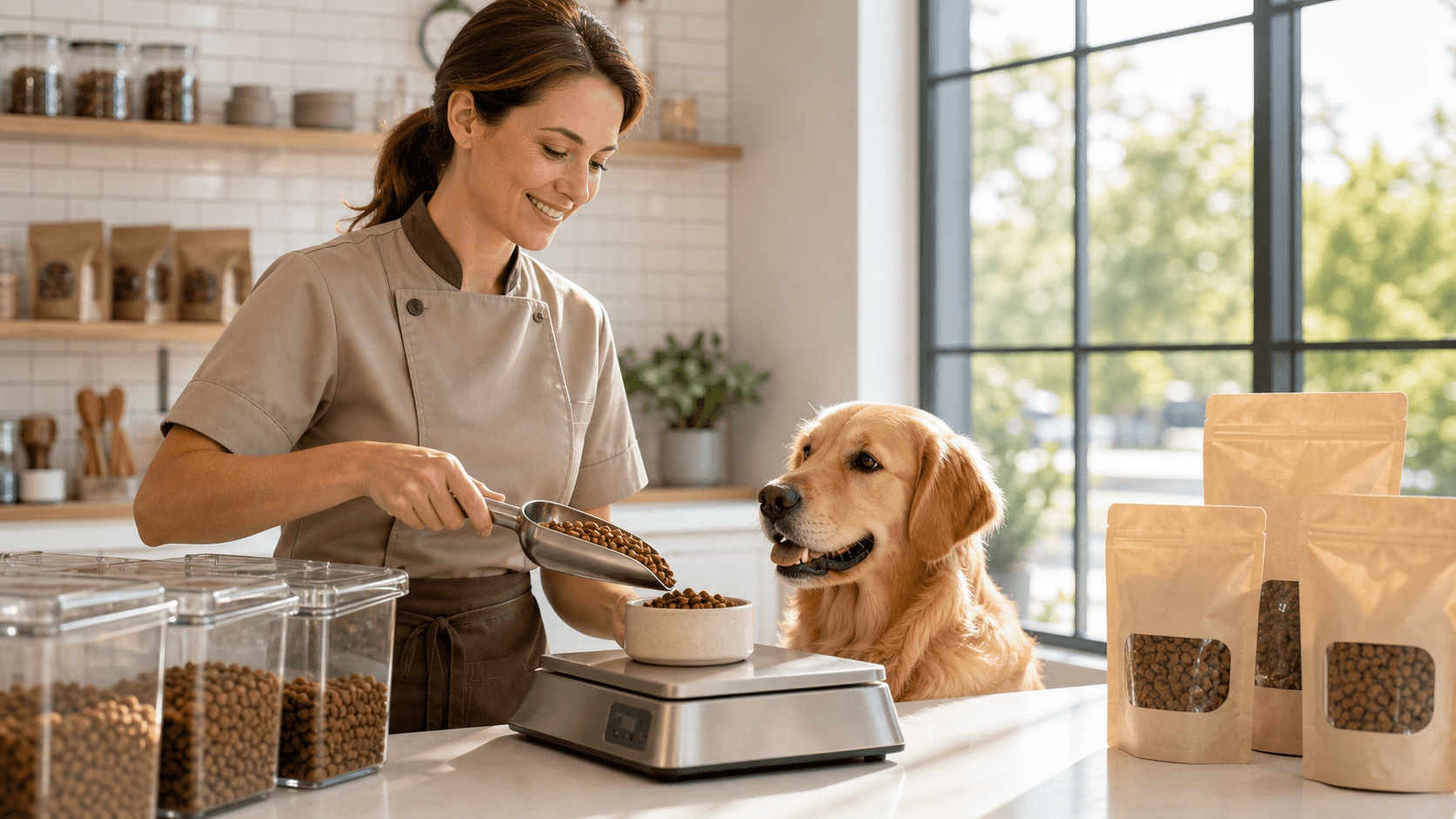
Even the best food can cause issues if you swap too fast. A slow transition gives your dog's gut time to adjust. A simple 7- to 10-day plan is:
- Days 1, 3: 75 percent old food, 25 percent new
- Days 4, 6: 50 percent old food, 50 percent new
- Days 7, 9: 25 percent old food, 75 percent new
- Day 10 and on: 100 percent new food
If you see loose stool, pause at the current mix for a few days before moving to the next step. If things get worse, go back to the last level that produced solid stool and stay there longer, then adjust the plan with your vet's help if needed.
In hot weather, feeding habits matter too. Try:
- Smaller, more frequent meals instead of one large meal
- Keeping meals away from intense playtime to lower bloat risk
- Always having fresh water ready, especially for walks, dog parks, and patio time
- Not feeding a large meal right before a long car ride or swim session
You can support a sensitive stomach while keeping kibble as the base. Many dogs do well with:
- Limited-ingredient treats that match the main protein in their food
- Simple chews, not overly rich or smoked items that can upset tummies
- Occasional fresh toppers like lightly cooked or raw foods, used in small, consistent amounts
The key is consistency. Instead of changing the whole diet often, keep the core food steady and make small, thoughtful tweaks around it.
Visit Nauti Dog Barkery for Personalized Nutrition Help
Finding the best grain-free kibble can feel like a lot to sort out on your own. We see dogs with sensitive stomachs all the time at our Dallas shop, and we know how stressful it is to deal with constant cleanup and worry about what set your dog off this time.
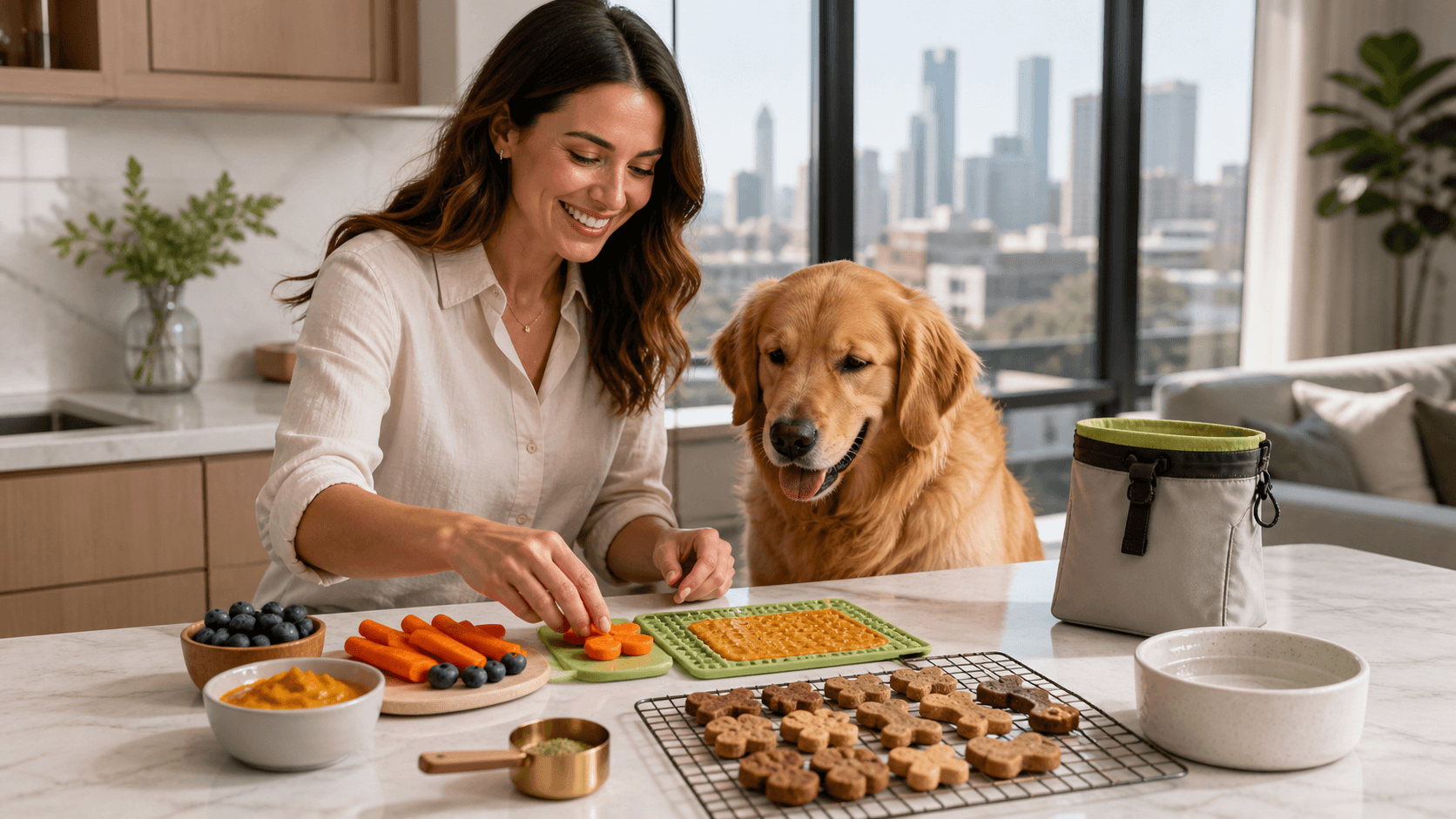
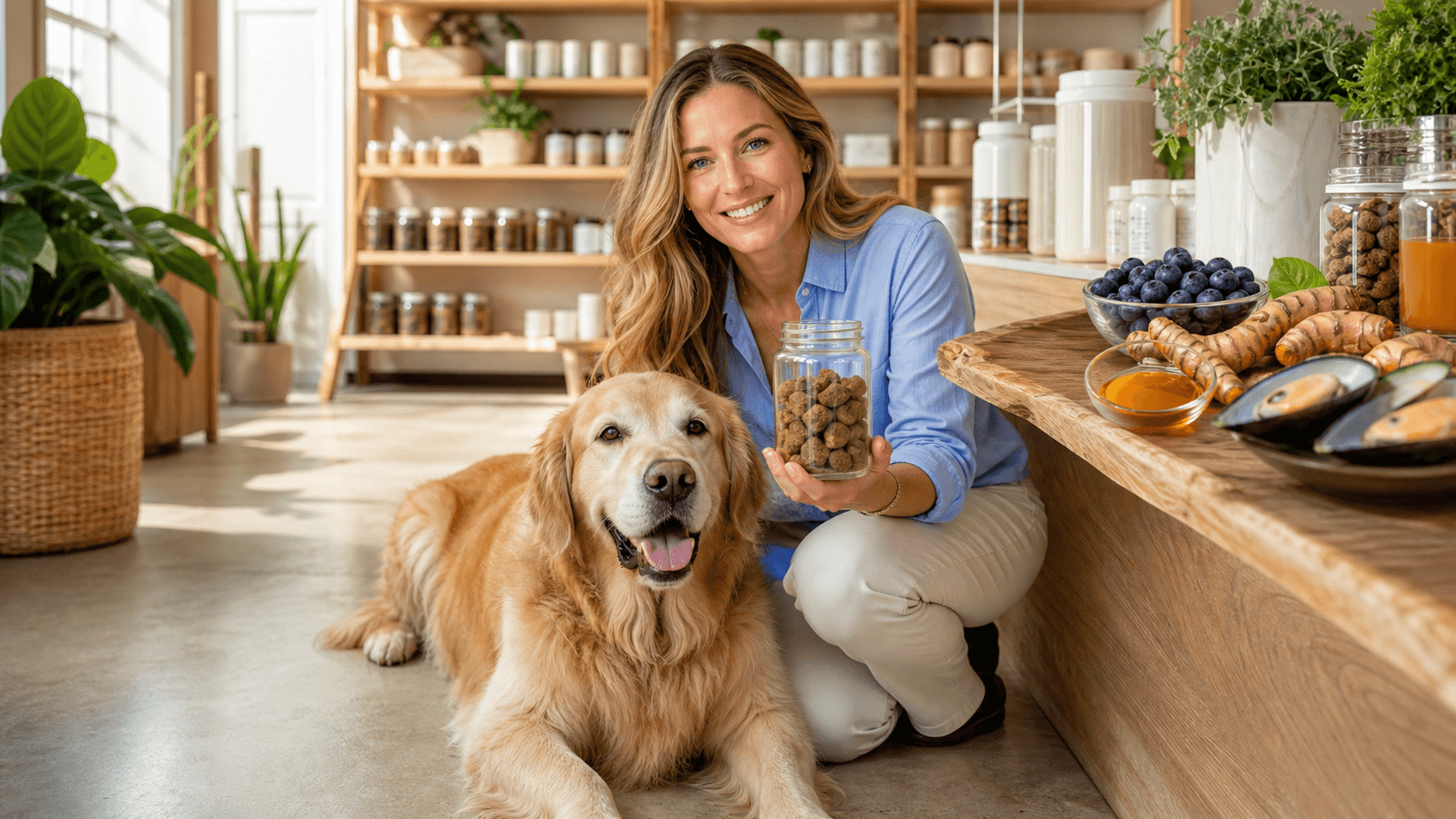
When you are ready to fine-tune your dog's diet, bring the bag of your current food, the treats you use, and any notes from your vet. Our team can walk you through label reading, talk about different kibble textures and proteins, and help you compare grain-free options that fit your dog's age, size, and activity level. Because we focus on holistic nutrition, we also look at chews, supplements, and in-house baked treats that stay gentle on the gut.
Dallas life means heat, patios, road trips, and busy weekends. Grain-free kibble, chosen with care, can give your dog a stable, tummy-friendly base that fits all of that. With the right support, your dog can enjoy summer fun with a happier stomach and more comfortable days by your side.
Give Your Dog A Happier, Healthier Mealtime
Support your pup's wellness with our thoughtfully crafted grain-free kibble designed for great taste and gentle digestion. At Nauti Dog Barkery, we carefully choose every ingredient so you can feel confident about what goes in your dog's bowl. Explore our recipes today and find the formula that fits your dog's age, size, and activity level. Place your order now so your best friend can start enjoying better meals at their next feeding.